
This content has been generated using AI analysis. While we strive to ensure accuracy and quality, AI-generated material may occasionally contain errors or omissions. All information should be independently verified, and opinions expressed do not necessarily reflect those of the publishers or editors.
The DEQX PreMate Room Correction DSP receives strong praise in user reviews and audiophile discussions for dramatically enhancing sound quality through speaker and room correction, though opinions on its analog performance are more mixed compared to high-end discrete preamps.
### Sound Quality
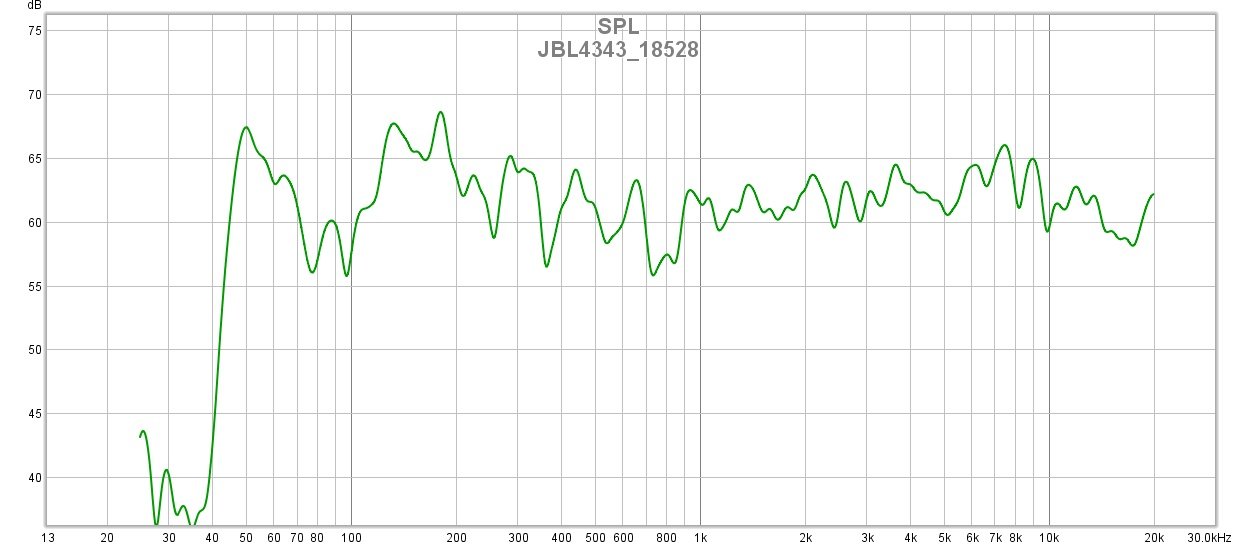
Reviewers consistently report significant improvements in clarity, soundstage, imaging, and coherence after applying the PreMate's FIR-based DSP corrections for group delay, frequency response, and room issues. It makes speakers "smoother and cleaner" with a "bigger soundstage," resolves "dense, complicated music" better, and outperforms upgrades like cables or amps on speakers like KEF LS50 or Wilson Alexia. Measurements confirm smoother frequency response and even group delay above 200Hz post-correction. As a preamp/DAC, it delivers "high-quality" transparency, with vinyl replay called "outstanding" and no detectable artifacts. One comparison notes it provides "detail, dynamics, smoothness, and spatial attributes" despite not matching esoteric analog hardware.
### Build Quality
Described as "very well implemented" hardware with a high-quality PCM1795 DAC, 32-bit DSP volume control, balanced/single-ended inputs, and remote-accessible presets. It functions as a versatile preamp, DAC, and Roon-ready device without needing passive crossover removal. A calibration kit is available for measurements.
### Reliability
No direct complaints about failures or long-term issues appear in reviews; classified sales highlight it as a "must-have" for subwoofer integration without mentioning problems. Discussions span 2012–2017 with sustained enthusiasm.
### Strengths
- Separate speaker (pseudo-anechoic) and room correction: Starts with speakers to avoid conflating issues, then adds bass/room fixes—seen as superior to other auto-EQ systems.
- Subwoofer integration: Fixes booming, timing errors, and impulse response for seamless multi-sub setups.
- Ease of use: Simple calibration, savable presets, bypass via remote; fits any system with minimal reconfiguration.
- Versatility: Preamp, DAC, crossover/DSP; improves even high-end speakers measurably and audibly.
### Weaknesses
- DSP hardware doesn't match "esoteric discrete analog" in pure analog performance, though corrections overcome this for most users.
- Requires calibration effort (mic/kit) and user involvement for full benefits; limited to 200Hz+ speaker correction in some setups for safety.
- High cost (e.g., US$5995) implied but not criticized directly.
### Overall Reputation
Highly regarded as a "revelation," "game-changer," and "indispensable" among audiophiles for DSP/room correction, often called "one of the best" or "real" with "jaw-dropping" improvements. Enthusiasm dominates professional reviews (Stereophile, Darko.Audio, Positive Feedback) and forums, positioning it as elite for precision timing/coherence over basic EQ. Some prefer pure analog preamps, but DSP strengths make it a top recommendation for problematic rooms/speakers.




 English (US)